
When Oversight Fails: The Real Cost of Misplaced Trust in Community Associations
A recent case out of Miami Beach is drawing serious attention, not just for the scale of the alleged misconduct, but for what it reveals about risk inside community associations.
Authorities report that Francisco Obispo, a condominium property manager, and Jose Luis Hernandez-Aguiar, a maintenance worker, have been charged in connection with an alleged kickback scheme involving the Euclid East Condominium. The allegations point to a pattern of financial activity that, over time, diverted hundreds of thousands of dollars from where those funds were intended to go.
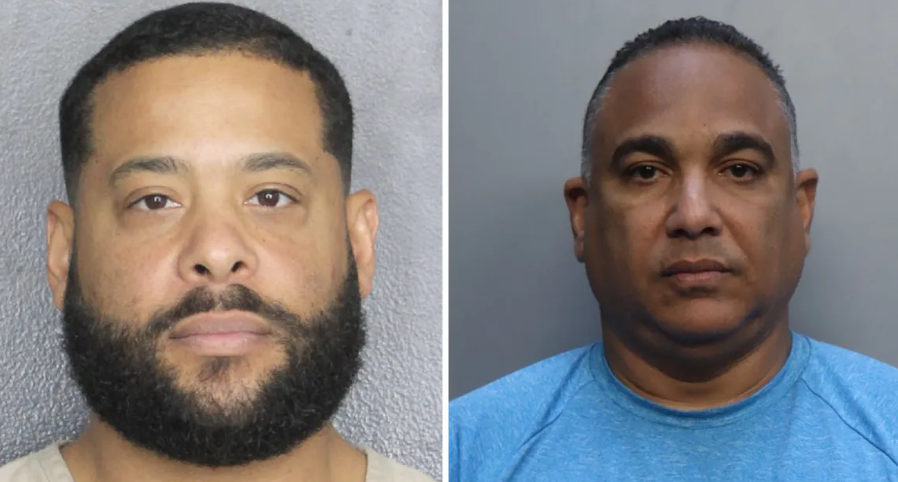
Miami Beach condo property manager arrested in alleged kickback scheme
According to the investigation, concerns first surfaced in June 2025, when a member of the condominium’s board identified discrepancies in financial records particularly within operating and reserve accounts. What followed was a closer review of invoices, payments, and supporting documentation, which revealed transactions that raised significant red flags.
Among them were payments totaling approximately $370,000 made to a vendor owned by Hernandez over the course of a year. Some of these payments were tied to the building’s required 40-year recertification process, a legally mandated effort implemented in the wake of the Surfside tragedy to ensure structural and electrical safety in aging buildings.
But investigators found that Hernandez and his company were not licensed contractors in Miami-Dade County or with any Florida agency. Even more concerning, certain payments such as $25,000 for permit processing and submission, and $24,500 for electrical permits were reportedly made despite no permits being filed under the vendor’s name.
Further examination revealed inconsistencies that went beyond documentation. In one instance, the association paid Hernandez’s company for repair-related work, and shortly after, funds were transferred back to a company linked to Obispo. Investigators ultimately identified 18 transactions in which over $260,000 was paid out by the association, while more than $95,000 was allegedly funneled back through related entities.
The situation became even more complex when it was discovered that a separate, licensed contractor had actually pulled permits for the property at significantly lower costs than what had been invoiced to the association. Records also indicated multiple payments from vendors to entities connected to the property manager, reinforcing concerns of a coordinated scheme.
Why This Matters Beyond One Property
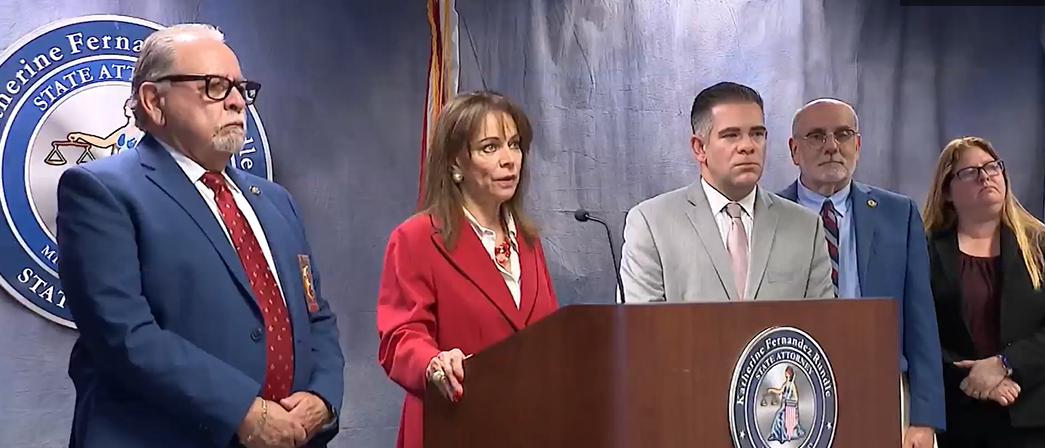
Both Obispo and Hernandez-Aguiar have since been arrested, with prosecutors alleging a “pay-to-play” operation that diverted funds intended for critical life-safety compliance. As stated by Miami-Dade State Attorney Katherine Fernandez Rundle, the funds in question were meant to support a “very urgent and legally mandated” recertification process, one that directly impacts the safety of residents and the integrity of the structure itself.
But beyond the legal proceedings, this case highlights a broader and more uncomfortable reality.
Community associations operate on trust. Boards rely on managers. Managers rely on vendors. Decisions are often made under pressure especially when compliance deadlines, safety concerns, and large financial commitments intersect. In this environment, urgency can sometimes override verification.
And that’s where risk takes hold.
The Real Risk: Gaps in Oversight
This situation did not begin with a single obvious failure. It evolved through a series of decisions—approvals, payments, assumptions, made without full visibility or independent validation. The individuals involved may change from case to case, but the underlying exposure remains the same: when oversight is limited, and controls are insufficient, the consequences can escalate quickly.
For board members and community leaders, the takeaway is not simply to react to cases like this, but to recognize how easily similar vulnerabilities can develop.
Fiduciary responsibility is not just about intent. It is about process.
It is about asking the right questions, verifying the right details, and ensuring that decisions especially those involving significant financial commitments are grounded in transparency and accountability.
Because when funds intended for safety, compliance, and recovery are misdirected, the impact is not abstract. It affects real people, real properties, and real communities. This is where the role of an independent, policyholder-focused advisor becomes critical.

Since 2012, GlobalPro has served as a trusted partner, advocating for consumers, not insurers. Our focus is on helping community associations and property owners navigate complex financial, insurance, and recovery challenges with clarity and confidence. We work to ensure that decisions are informed, exposures are identified early, and the interests of the community are protected at every stage.
Because in situations like this, the real question isn’t just how something went wrong.
It’s whether the right safeguards and the right guidance. were ever in place to prevent it.