

When Minutes of Hail Create Long-Term Consequences
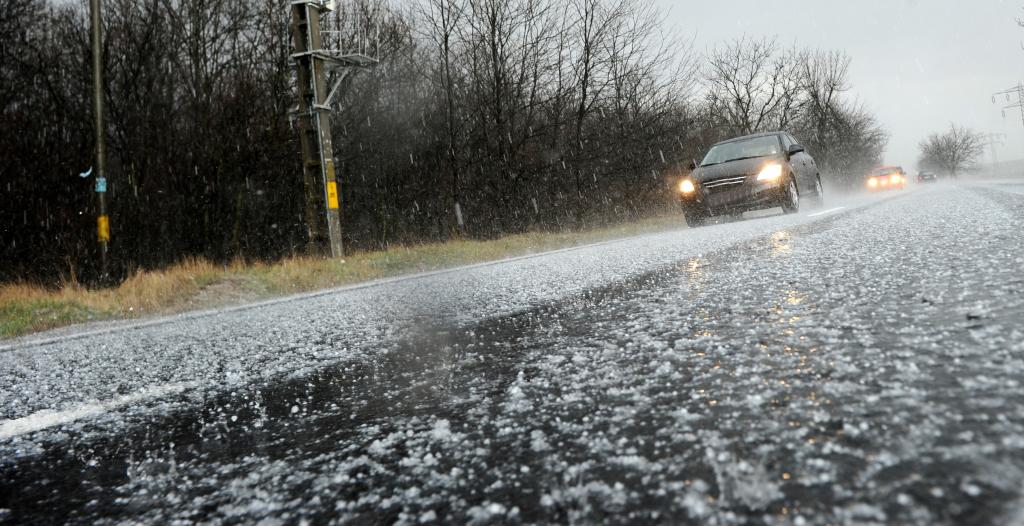
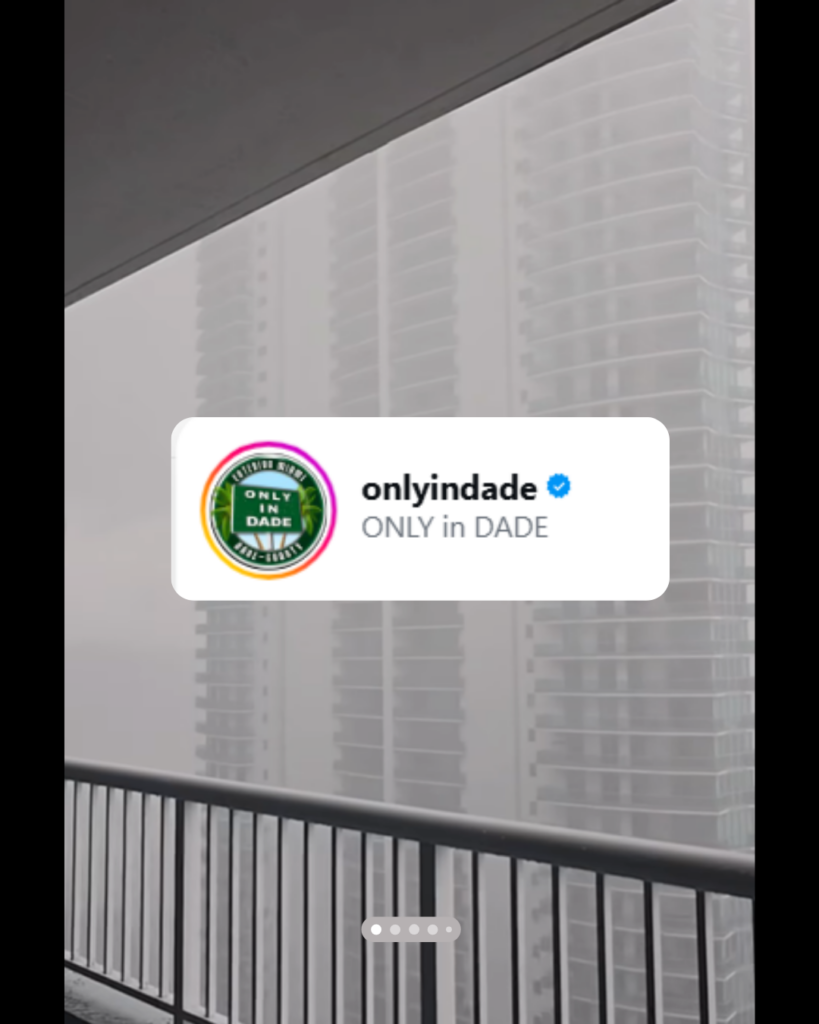
On Sunday, March 1, 2016, a severe thunderstorm warning was issued for central Miami-Dade County after radar indicated a strong storm moving east at approximately 10 mph over the Miami area. The National Weather Service warned of 60 mph wind gusts and quarter-size hail — conditions capable of damaging vehicles, tearing at roofing systems, impacting siding, and compromising trees and exterior structures. Reports confirmed hail falling across parts of Miami as the storm passed through, a sharp reminder of how quickly weather in South Florida can escalate.
While hailstorms in Florida are often brief, their impact can be significant. Quarter-size hail carries enough force to fracture roofing materials, bruise shingles, damage waterproofing membranes, and dent or puncture rooftop mechanical equipment. The challenge is that hail damage is not always immediately visible from the ground. What appears minor at first glance can later develop into leaks, system failures, or reduced roof lifespan. For commercial properties and community associations in particular, even localized hail strikes can translate into costly repairs if not properly evaluated.
From an insurance standpoint, hail presents an important precedent. When hail of this size strikes roofing systems or mechanical components, policies may allow for repair — and in certain cases, full replacement — depending on the extent and documentation of impact. However, successful recovery hinges on timely inspection and proper evidence. Strike patterns must be confirmed. Damaged materials must be documented. Deadlines under the policy must be observed. Delay can weaken both the physical condition of the property and the strength of the claim.
This is where strategy matters. Filing a property insurance claim after a hail event is not simply about reporting damage; it involves interpreting policy language, understanding deductible structures, and presenting technical findings in a manner that aligns with coverage terms. The difference between surface wear and functional damage can determine whether a claim results in partial repairs or full system restoration.
Storms like the March 1 Miami-Dade event reinforce a consistent truth: severe weather does not need to be catastrophic in duration to be financially disruptive. Immediate, informed action is critical. Since 2012, GlobalPro has guided property owners through complex storm-related claims — from confirming hail impact to managing documentation, carrier communications, and negotiations. When hail strikes, property owners need more than an inspection. They need disciplined advocacy focused on securing a fair and equitable recovery.
Because when the storm passes, the real work begins — and having the right partner can determine the outcome.
Ready. Recover. Rebuild.
Call Us First.