
The Home Insurance Coin Flip: Why More Claims Are Ending Without Payment
For many homeowners, insurance represents peace of mind. Premiums are paid year after year with the expectation that when disaster strikes, coverage will be there to help rebuild, repair, and recover.
Yet recent industry reporting suggests a growing reality that many policyholders may not fully understand: filing a claim does not necessarily mean receiving a payment.
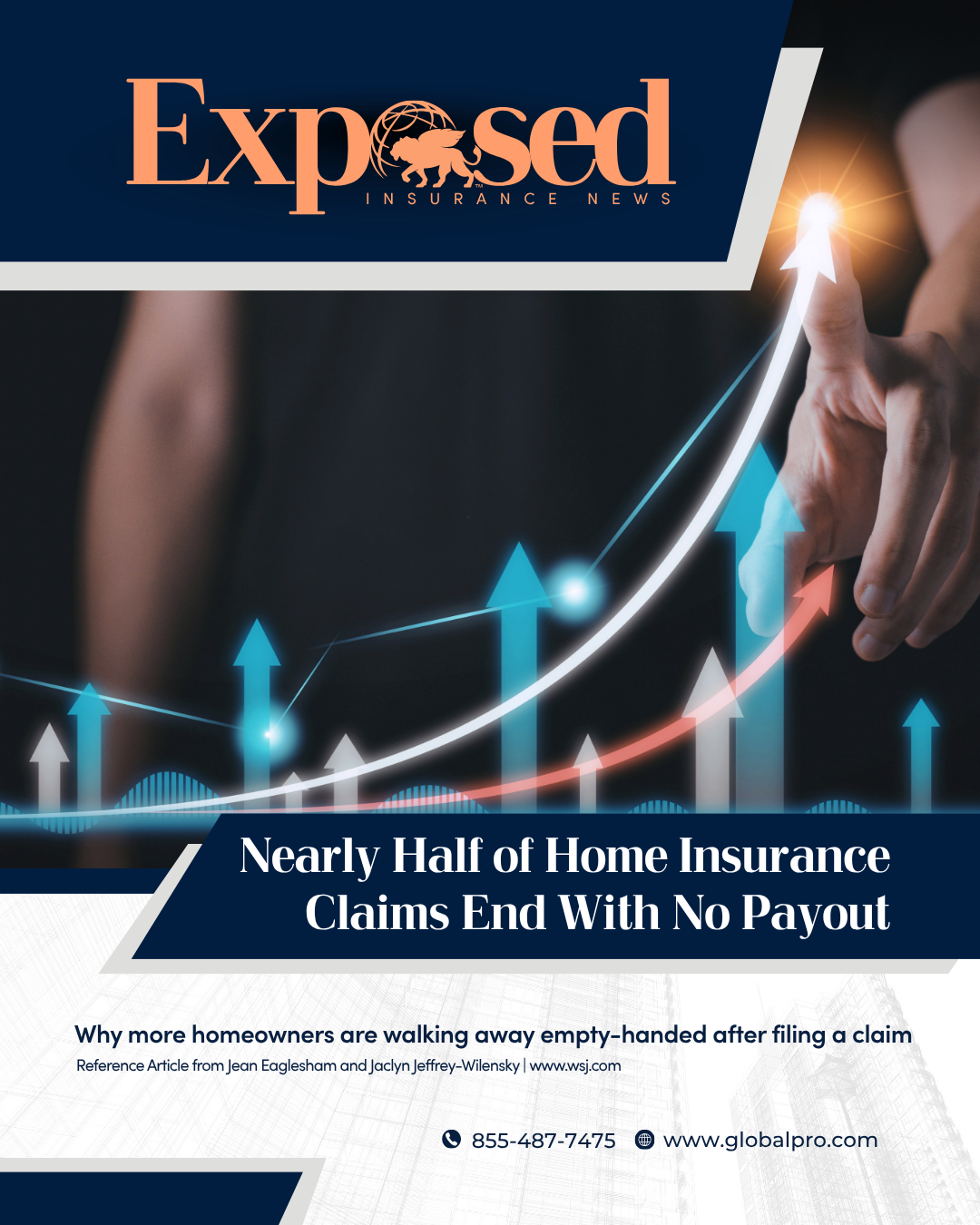
In fact, nearly half of home insurance claims among some of the nation’s largest carriers reportedly resulted in no payout. While every claim is unique and every policy contains specific terms and conditions, the trend raises important questions about coverage expectations, claim outcomes, and the growing complexity of today’s insurance environment.
The Growing Gap Between Expectations and Outcomes
Many homeowners assume that if damage occurs and a claim is submitted, insurance benefits will automatically follow. Unfortunately, the claims process is rarely that simple.
Over the past decade, insurers have faced significant financial pressures from increasing catastrophe losses, severe weather events, inflation, rising construction costs, and supply chain disruptions. As a result, many carriers have adjusted underwriting standards, revised policy language, implemented stricter claim review procedures, and increased deductibles.
For policyholders, these changes can create a disconnect between what they believe is covered and what their policy ultimately provides after a loss occurs.
The result is often frustration, confusion, and unexpected out-of-pocket expenses during an already stressful situation.
The Deductible Challenge
One of the most significant factors affecting claim outcomes today is the deductible.
Many homeowners have selected higher deductibles in an effort to offset rising insurance premiums. In other cases, insurers have introduced separate deductibles for specific perils such as hurricanes, windstorms, or hail events. Some policies have even shifted from fixed-dollar deductibles to percentage-based deductibles tied to a home’s insured value.
While these adjustments can reduce premium costs, they can also dramatically increase the financial responsibility placed on property owners after a loss.
In some situations, the damage may simply fall below the applicable deductible threshold, resulting in little or no insurance payment despite a valid loss.
Understanding Coverage Before Disaster Strikes
One of the most common challenges property owners face is discovering coverage limitations after a claim has already occurred.
By that point, opportunities to adjust coverage, address exclusions, or modify policy terms have largely passed. Recovery becomes dependent on the policy that existed before the event—not the coverage the homeowner wishes they had afterward.
This reality reinforces the importance of regularly reviewing insurance policies, understanding deductibles, identifying potential coverage gaps, and evaluating whether coverage still aligns with current property values and risk exposures.
Insurance policies are not static documents. They evolve over time through endorsements, regulatory changes, underwriting adjustments, and changing market conditions.
Why Documentation and Preparation Matter
When a loss occurs, preparation can significantly influence the recovery process.
Accurate records, property documentation, maintenance histories, photographs, inventories, and a clear understanding of policy provisions can help homeowners navigate the claims process more effectively.
Just as importantly, understanding the obligations imposed by a policy—including reporting requirements, mitigation responsibilities, and documentation expectations—can help avoid unnecessary complications during a claim.
The strongest recovery position is often established long before a loss ever occurs.
The Importance of Advocacy in a Complex Claims Environment
Today’s insurance landscape is more complicated than ever.
Policy language has become increasingly detailed. Deductibles have increased. Coverage structures continue to evolve. At the same time, severe weather events and catastrophic losses continue placing pressure on both insurers and policyholders.
For homeowners, the goal should not simply be having insurance. The goal should be understanding how that insurance functions when it matters most.
Since 2012, GlobalPro has worked with property owners to help them better understand coverage, prepare for potential losses, document assets, and navigate the recovery process when unexpected events occur.
Because when disaster strikes, recovery should never depend on assumptions. It should begin with preparation, knowledge, and a clear understanding of the protection you have in place.
See related topic here
We believe information is a form of advocacy. That belief is exactly why we launched Exposed: Insurance News. To get more information like this, make sure you are following GlobalPro on all the social media platforms.