
It Only Takes One: Why a Quieter Hurricane Forecast Shouldn’t Change Your Preparedness Plans
As Hurricane Season 2026 unfolds, forecasters are projecting a quieter-than-average Atlantic season. Leading organizations, including NOAA and Colorado State University, have reduced their seasonal outlooks, citing the expected development of a moderate-to-strong El Niño as a key factor in suppressing tropical activity across the Atlantic Basin.
On paper, the numbers appear encouraging. Forecasts call for fewer named storms, hurricanes, and major hurricanes compared to historical averages. For many property owners, businesses, and communities, those projections may provide a sense of relief.
But hurricane history has repeatedly demonstrated a simple reality: seasonal forecasts do not determine individual outcomes.
A below-average season does not eliminate risk. It only reduces overall activity. The storm that matters most is the one that impacts your property, your business, or your community.
The El Niño Effect
The primary reason for the quieter forecast is the anticipated strengthening of El Niño conditions in the Pacific Ocean. When El Niño develops, stronger upper-level winds often extend across portions of the Caribbean and Atlantic. These winds create vertical wind shear, which can disrupt developing tropical systems and make it more difficult for storms to organize and intensify.
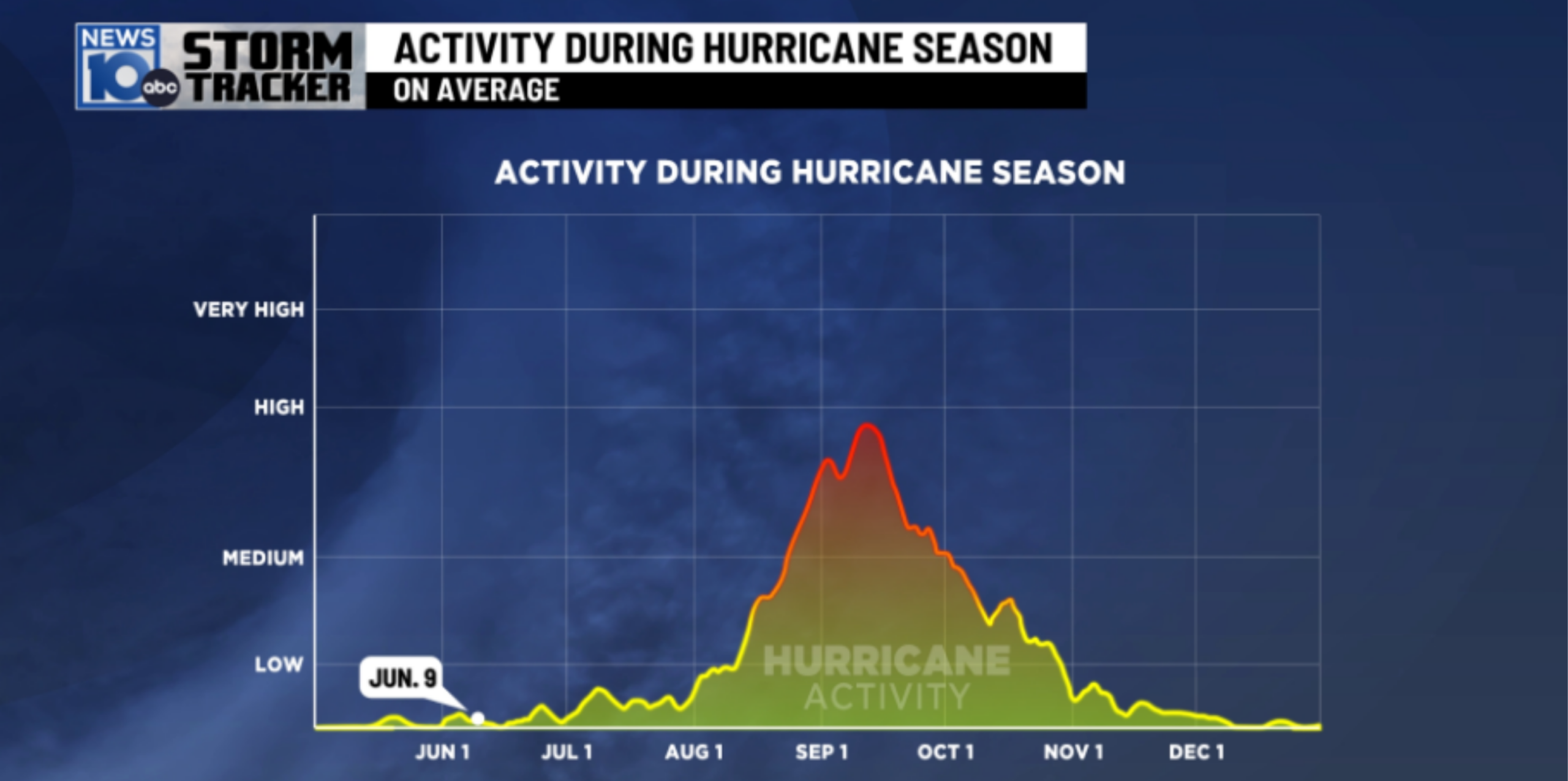
See Post of Activity During Hurricane Season
In many years, El Niño has helped limit hurricane activity across the Atlantic. That is why forecasters believe 2026 could experience fewer storms than a typical season. However, weather is rarely that simple. Even during years with favorable conditions for storm suppression, tropical systems can still develop, strengthen, and make landfall. In some cases, a single storm can define an entire season.
The Danger of False Confidence
One of the greatest risks associated with a quieter forecast is complacency.
When storm projections are lower than average, some homeowners, businesses, and community associations may delay preparedness efforts or assume the season poses less danger. Unfortunately, storms do not follow seasonal averages when choosing where to make landfall.
History offers numerous examples of destructive hurricanes occurring during otherwise quiet seasons. A season with fewer storms can still produce catastrophic losses if one powerful hurricane impacts a populated area. Forecasts may estimate overall activity, but they cannot predict which community will experience the next major storm.
Storms Are Reaching Far Beyond the Coast
Recent years have also highlighted another important trend: hurricane impacts are no longer confined to immediate coastal areas.
Powerful storms have pushed farther inland, bringing destructive winds, flooding, tornadoes, and prolonged rainfall hundreds of miles from where they first made landfall. Some late-season storms have even combined tropical and winter weather impacts, creating unique recovery challenges across multiple regions.
The result is a broader area of exposure and a reminder that preparedness should not be limited to traditional coastal communities. Anything is possible during hurricane season.
It Only Takes One
The most important message of Hurricane Season 2026 remains unchanged.
It does not matter whether the season produces eight storms or eighteen. It does not matter whether forecasters predict a quiet year or an active one.
“It only takes one.” One storm can create widespread property damage. One storm can disrupt businesses for months. One storm can change the course of a community’s recovery efforts for years. For property owners, associations, businesses, and families, preparedness should never be based solely on seasonal forecasts. It should be based on understanding that the consequences of a single event can be significant.
Preparing Before the Storm Arrives
Preparation remains one of the most effective tools available to reduce risk and strengthen recovery outcomes.
Reviewing insurance coverage, updating disaster response plans, documenting assets, identifying potential vulnerabilities, and understanding recovery resources before a storm arrives can make a meaningful difference after a loss occurs.
The best recovery efforts often begin long before a storm appears on the radar.
Since 2012, GlobalPro has worked with property owners, businesses, and community associations to help strengthen preparedness, navigate complex claims, and support recovery efforts following disasters. While forecasts may change throughout the season, the value of preparation remains constant.
Because regardless of what the seasonal outlook predicts, it only takes one storm to make Hurricane Season 2026 an active season for you.