

Hospitality and Commercial Real Estate: Exploring the Trends Shaping North Texas
The hospitality industry is evolving alongside the broader commercial real estate market, shaped by changing consumer expectations, investment strategies, and the experiences people seek when they travel, dine, and gather. In North Texas, these shifts are creating new opportunities for industry professionals to examine how hospitality assets are positioned for growth and how market dynamics continue to influence investment decisions.
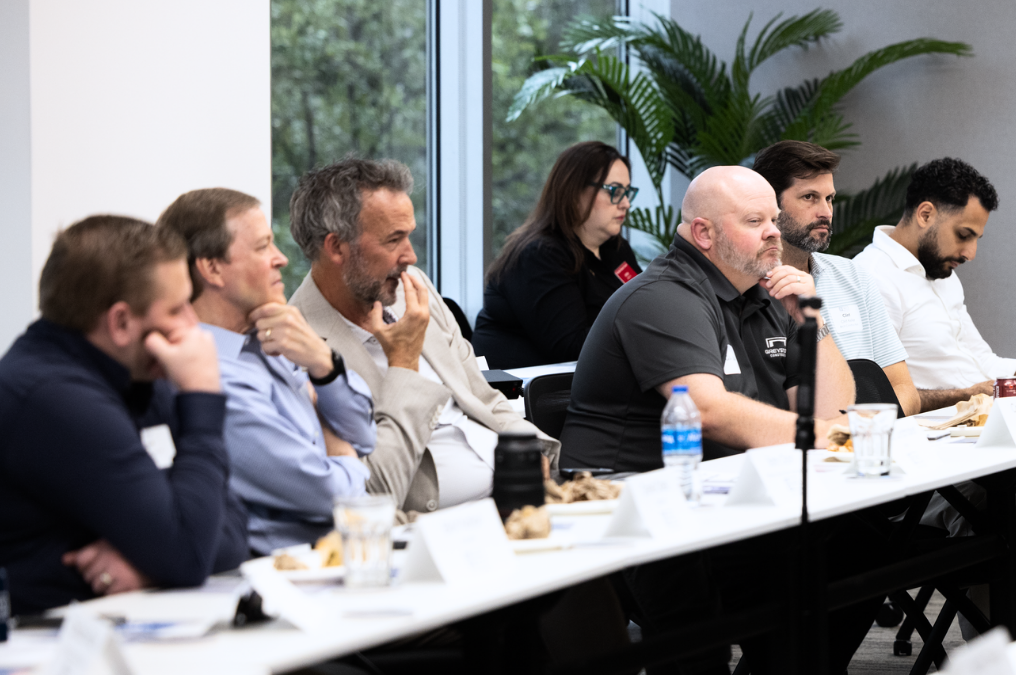
On October 13, 2026, TREC brought industry professionals together for Industry Insights: Hospitality in North Texas, a program focused on the trends shaping hotels, resorts, restaurants, and experiential assets throughout the region. Presented by GlobalPro in partnership with TREC, the event created an opportunity to exchange perspectives, explore emerging market considerations, and better understand the forces influencing hospitality and commercial real estate.
Understanding the Forces Shaping Hospitality
Hospitality real estate extends beyond the physical properties where people stay, dine, and socialize. Its performance is closely connected to consumer behavior, local economic conditions, tourism, business activity, and the experiences guests expect from the places they visit.
As North Texas continues to attract business activity and investment interest, understanding these interconnected factors becomes increasingly important for property owners, investors, operators, and other commercial real estate professionals. Hotels and resorts must respond to evolving traveler preferences, while restaurants and experiential destinations must consider how they attract customers, create memorable experiences, and sustain demand.
These changing expectations influence how hospitality assets are evaluated, developed, and operated. They also reinforce the importance of understanding the relationship between the guest experience and the underlying business and real estate strategies that support it.
Industry Perspectives That Inform Better Decisions

The program featured insights from Vipin Nambiar, Managing Director and Founder of HN Capital Partners LLC, and Nick DiLullo, Chief Operating Officer of FlavorHook Restaurant.
Drawing on their respective industry experience, the speakers contributed perspectives on the factors shaping hospitality and the opportunities and considerations facing professionals across the sector. The discussion centered on key areas including investment activity, demand drivers, and evolving guest expectations.
These topics are particularly relevant in a market where hospitality assets can serve different purposes and respond to different sources of demand. Understanding what attracts guests, how investment decisions are made, and where expectations are changing can help industry professionals assess opportunities with a broader view of the market.
For investors, these considerations inform how they evaluate potential opportunities and long-term positioning. For operators, they highlight the importance of adapting to customer preferences and delivering experiences that meet market expectations. For the wider commercial real estate community, they offer a clearer perspective on how hospitality fits into the region’s changing economic and development landscape.
Why Hospitality Matters to the Broader CRE Market
Hospitality is closely connected to other parts of the commercial real estate ecosystem. Hotels can support business travel and tourism, restaurants contribute to the character and activity of commercial districts, and experiential destinations can influence how people interact with places and communities.
As a result, changes in hospitality demand can have implications beyond an individual property or business. Understanding these connections allows industry professionals to consider how consumer trends, investment decisions, and local development may intersect.
However, each asset and market segment has its own considerations. Demand patterns, operating requirements, investment objectives, and guest expectations can vary significantly. Examining these differences is an important part of developing a more informed understanding of hospitality real estate.
Through conversations like those at Industry Insights, professionals have an opportunity to look beyond headlines and consider the factors that influence market activity, helping them approach changing conditions with greater context.
Creating Space for Meaningful Industry Conversations
Beyond the topics discussed, the program underscored the value of bringing industry professionals together to exchange ideas and learn from one another. Conversations between experienced leaders and members of the commercial real estate community create opportunities to consider different perspectives, ask important questions, and build connections that extend beyond a single event.
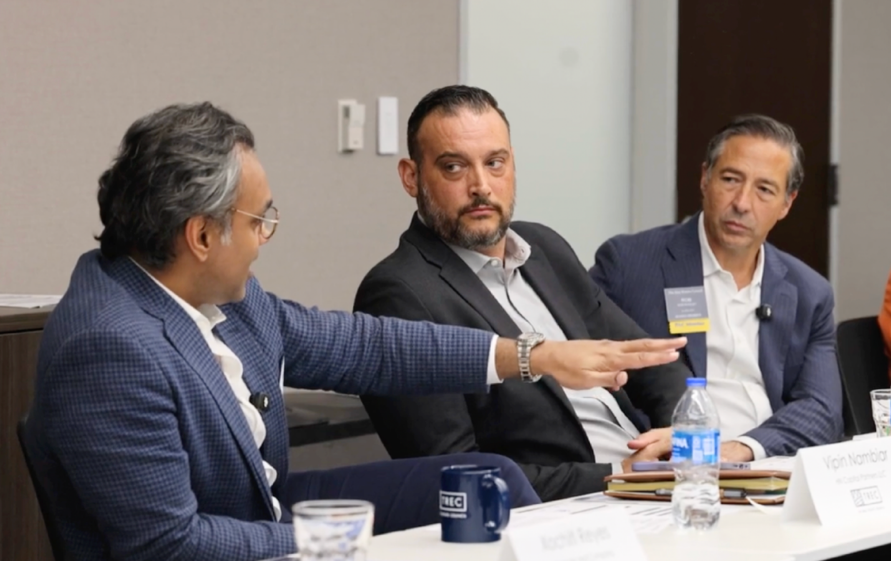
With Rob Bowlby, President of GlobalPro Texas, representing GlobalPro, the program reflected the shared commitment of GlobalPro and TREC to fostering industry education and meaningful dialogue around the issues shaping commercial real estate.
The Industry Insights Series provides a platform for examining different sectors, understanding emerging trends, and connecting professionals with perspectives that can help inform their work. Hospitality in North Texas was one part of that broader conversation, highlighting a sector where real estate, business strategy, and consumer experience intersect.
Looking Ahead
The hospitality landscape will continue to evolve as businesses respond to changing guest preferences, investors evaluate new opportunities, and communities adapt to shifting patterns of travel, dining, and entertainment.
Understanding these changes requires ongoing attention, informed discussion, and a willingness to consider perspectives from across the industry. While no single conversation can answer every market question, opportunities to learn from experienced professionals can help build a stronger foundation for evaluating what comes next.
Industry Insights: Hospitality in North Texas brought these conversations to the forefront, creating space for industry professionals to explore the trends influencing hospitality and its role in the region’s commercial real estate market.
Presented by GlobalPro in partnership with TREC, the Industry Insights Series continues to bring professionals together to share knowledge, strengthen connections, and explore the developments shaping the future of commercial real estate.
The conversation continues as the industry looks toward its next opportunities.