

Bertha Is Proof: It Only Takes One Storm.
The 2026 Atlantic hurricane season is still in its early stages, yet it has already delivered an important reminder for homeowners, businesses, and community associations across the Gulf Coast. Tropical Storm Bertha has dissipated after moving inland across Texas, but the storm demonstrated once again that even a relatively weak tropical system can produce widespread impacts far beyond its center.
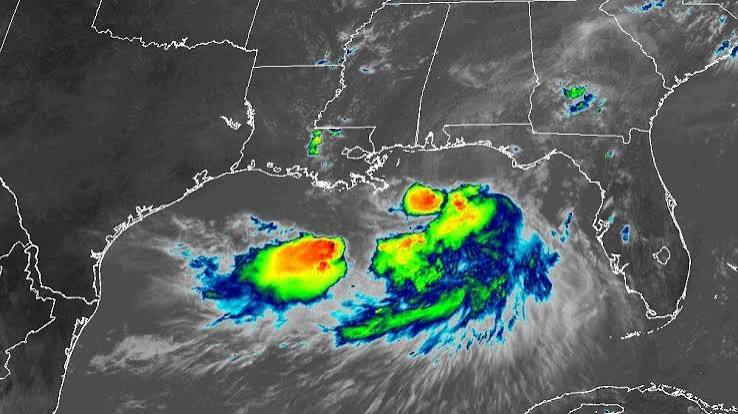
For those living along the Gulf Coast, Bertha reinforced a lesson that emergency managers and recovery professionals repeat every year: it only takes one storm.
From Tropical Disturbance to Named Storm
Bertha began as Tropical Depression Two on July 19, developing over the northern Gulf of Mexico south of Panama City, Florida. After Hurricane Hunter aircraft confirmed sustained winds of 40 mph, the system strengthened into Tropical Storm Bertha, becoming the second named storm of the 2026 Atlantic hurricane season.
Although Bertha never reached hurricane strength, the storm gradually intensified to peak winds of 60 mph before beginning a weakening trend. Wind gusts exceeding 40 mph were recorded across portions of Florida’s Panhandle, signaling that even modest tropical storms can produce hazardous conditions well away from the eye.
Two Landfalls, Hundreds of Miles of Impact
Bertha first made landfall on July 22 near the Biloxi Wildlife Management Area in St. Bernard Parish, Louisiana, before continuing west and making a second landfall near the Texas-Louisiana border, northeast of Galveston.
While Bertha remained relatively weak compared to many Gulf Coast hurricanes, its broad circulation affected communities stretching from the Florida Panhandle through Alabama, Mississippi, Louisiana, and Texas.
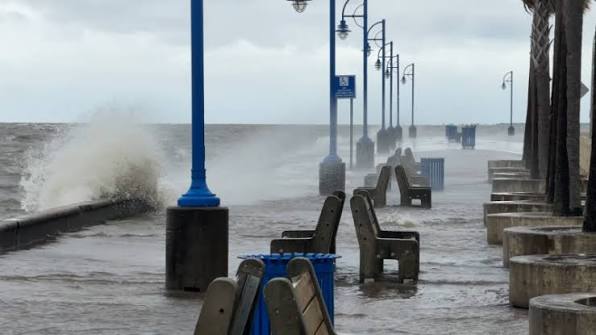
Peak wind gusts reached 63 mph in Venice, Louisiana, while coastal communities experienced sustained tropical-storm-force conditions. Along much of the central Gulf Coast, storm surge produced 2 to 3 feet of coastal inundation, with Shell Beach, Louisiana, recording approximately 3 feet of water rise.
The greatest impacts, however, came from rainfall. Heavy downpours produced widespread totals between 1 and 5 inches, with localized higher amounts contributing to flooded roadways and water rescues. In the Houston area, vehicles became stranded in floodwaters, roads were closed, and low-lying neighborhoods experienced localized flash flooding.
A Storm May End. Recovery Often Doesn’t.
On Thursday evening, the National Hurricane Center issued its final advisory as Bertha weakened into a trough over southeast Texas. Tropical storm warnings were discontinued, but the weather hazards did not disappear immediately.
The storm’s remnants continued producing additional heavy rainfall across South Texas, while dangerous surf, elevated water levels, and life-threatening rip currents lingered along portions of the Louisiana and Texas coastline.
This pattern is common during hurricane season. The end of a named storm rarely marks the end of its impacts. Flooding, infrastructure disruptions, property damage, and recovery efforts often continue long after the official advisories stop.
The 2026 Hurricane Season Is Far From Over
Bertha serves as an early-season reminder that storms do not need to become major hurricanes to disrupt lives and communities.
Its relatively modest wind speeds still generated flooding, storm surge, transportation disruptions, and hazardous coastal conditions across multiple states. For many communities, the greatest risks came not from extreme winds, but from prolonged rainfall and rising water.
As the Atlantic hurricane season continues through November 30, additional systems remain possible.Forecasts can estimate seasonal activity, but they cannot identify the single storm that may have the greatest impact on a particular community.
Preparation Remains the Strongest Strategy
Since 2012, GlobalPro has encouraged homeowners, businesses, and community associations to focus on preparation before disaster strikes—not after.
Storms like Bertha reinforce why reviewing insurance coverage, documenting assets, understanding recovery procedures, and developing pre-loss strategies remain essential components of resilience.
Because hurricane season has only just begun. And as Bertha has already demonstrated, it only takes one storm to change everything.