
Atlantic Hurricane Season Begins: Why “It Only Takes One” Still Defines Every Forecast
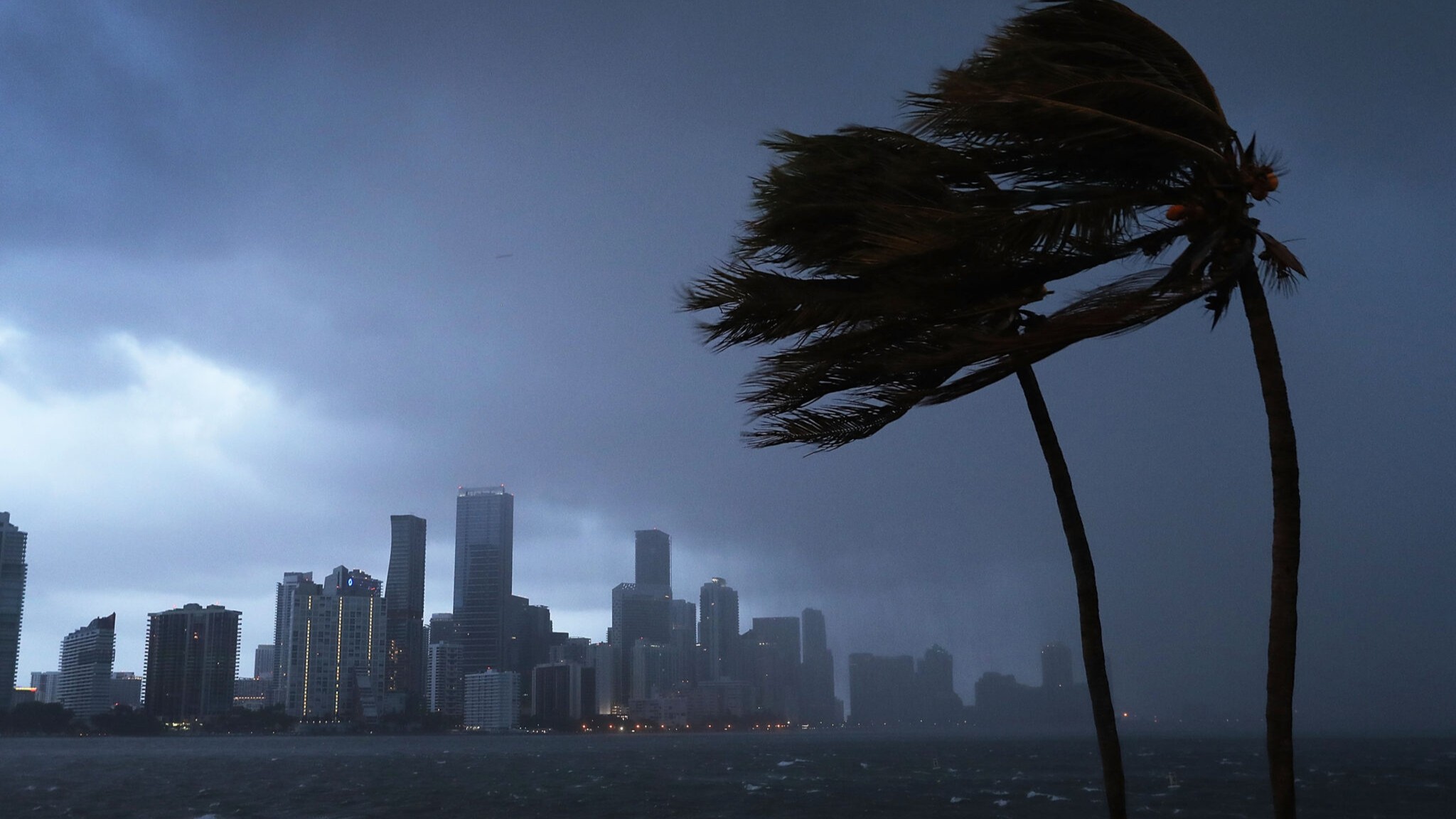
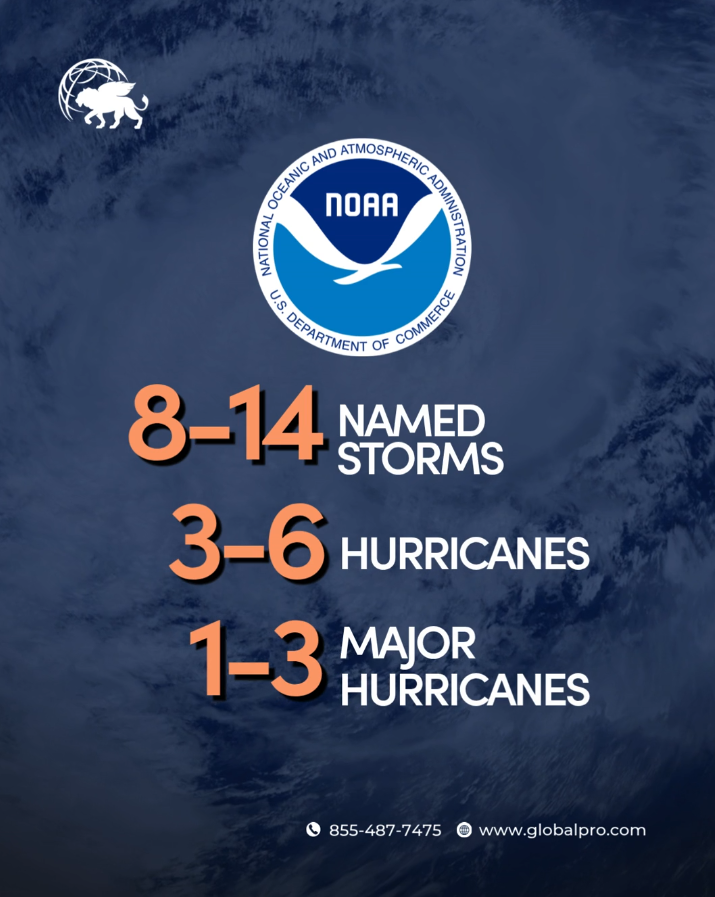
The 2026 Atlantic hurricane season officially begins, running through November, with forecasters expecting a “below average” year in terms of named storms. While NOAA predicts eight to 14 named storms and three to six hurricanes, experts continue to emphasize a critical reminder for coastal communities: seasonal averages don’t determine individual impact. It only takes one storm to change everything.
At GlobalPro, this moment marks more than the start of a calendar season, it signals the need for readiness across every coastal property, family, and business that could be affected, regardless of how active the season appears on paper.
A “Below Average” Forecast Doesn’t Mean Low Risk
NOAA’s outlook suggests fewer storms than the historical average, with El Niño conditions expected to suppress hurricane development in the Atlantic. However, meteorologists and emergency officials consistently caution against interpreting quieter forecasts as reduced danger.
Even in seasons labeled “below average,” hurricanes can still form, intensify rapidly, and make landfall with devastating consequences. As seen in past years, a single storm is enough to overwhelm communities, disrupt infrastructure, and trigger long-term recovery challenges.
The 2026 Storm Names: A Full Season Still on the Table
Even with a quieter forecast, the 2026 Atlantic hurricane season has already been assigned a full list of storm names, including:
Arthur, Bertha, Cristobal, Dolly, Edouard, Fay, Gonzalo, Hanna, Isaias, Josephine, Kyle, Leah, Marco, Nana, Omar, Paulette, Rene, Sally, Teddy, Vicky, and Wilfred.
Each name represents a potential system that could develop, strengthen, and impact communities, reinforcing the reality that preparation is not about volume, but possibility.
The “It Only Takes One” Reality for Coastal Communities
Across Florida and other coastal regions, the real risk is not the number of storms in a season, but which storm makes landfall and where it tracks. A single hurricane can bring widespread wind damage, flooding, and extended recovery timelines.
Recent storm patterns have also shown that impacts are no longer confined to coastal zones. Systems are reaching further inland with destructive wind fields, while late-season storms have produced hybrid impacts, including tropical conditions in some areas and winter-like effects in others.
This expanding risk footprint makes preparation more complex, but also more necessary than ever.
Why Preparedness Matters Before the First Storm Forms
Once a storm is named and approaching, options become limited. That is why pre-season planning is critical. GlobalPro’s Disaster Response Planning services are designed to help individuals, families, and property owners prepare before an event occurs—not during it.
This includes structured plans that outline emergency contacts, critical decision-making steps, and recovery actions that can be executed immediately after impact. The goal is simple: reduce confusion, minimize delays, and improve outcomes when every minute matters.
In addition, secure document storage and pre-loss planning help ensure that insurance policies, asset inventories, and essential records are accessible when needed most.

Recovery Begins Before Landfall
GlobalPro’s approach extends beyond preparedness into full recovery support. When storms do impact, the recovery process often depends on how well-prepared a property was before the event.
From insurance review and claims guidance to loss draft support and post-disaster coordination, having a structured system in place can significantly reduce downtime and financial disruption. Because in many cases, delays in recovery are not caused by the storm itself, but by missing information, unclear coverage, or unorganized response processes.
Focus on the One That Matters
As the 2026 Atlantic hurricane season begins, forecasts may suggest moderation, but experience tells a different story. It only takes one storm to redefine an entire season for a community, a family, or a business.
For coastal and inland regions alike, the question is not how many storms will form, but which one will require action.
At GlobalPro, the focus remains the same every season: helping clients prepare before impact, respond with clarity, and recover with confidence, because when it comes to hurricanes, it only takes one.