

Florida’s Condo Relief Plan: A Step Forward, But Not the Solution
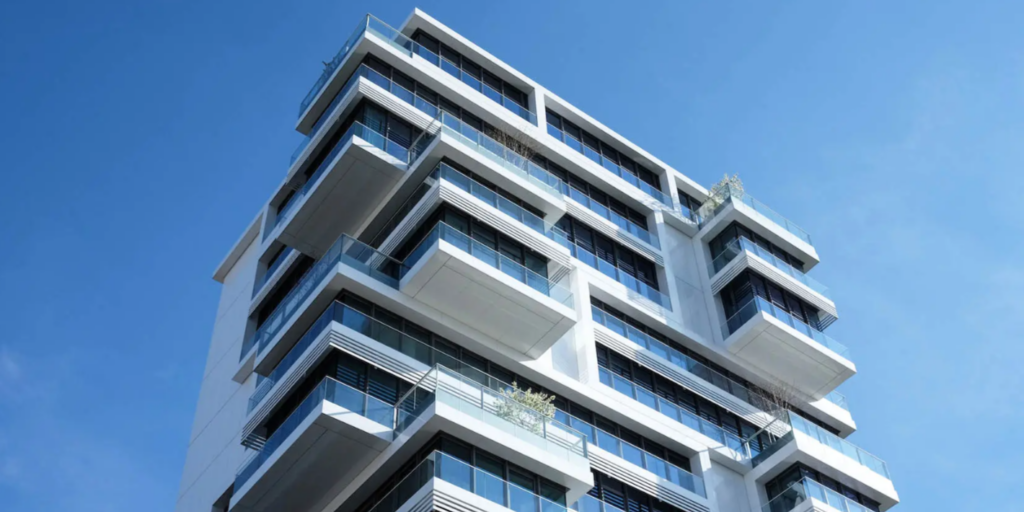
Florida lawmakers are once again confronting a growing reality: for many condominium owners, the cost of staying in their homes is becoming unsustainable.
A newly approved Senate measure, Florida Senate Bill 1706, seeks to ease that burden, targeting lower-income residents and aging buildings through an expansion of the state’s My Safe Florida Condo program.
On the surface, the intent is clear and necessary. By extending eligibility beyond coastal limits and focusing on older properties, the legislation acknowledges a critical truth: risk is not confined to geography alone. Aging infrastructure, deferred maintenance, and evolving building standards have created vulnerabilities that go far beyond the shoreline. Pair that with rising insurance premiums and special assessments, and the financial strain becomes impossible to ignore especially for those on fixed incomes.
The emotional weight of this issue is perhaps best captured not in policy language, but in lived experience. Lawmakers shared stories of residents facing six-figure assessments with no clear path forward. These are not isolated cases, they are becoming increasingly common across the state. For many, the question is no longer how to manage rising costs, but whether they can remain in their homes at all.
The proposed solution, grant funding for mitigation improvements, including protections against wind-driven rain, addresses a real and often overlooked source of damage. It also reflects a broader shift in how risk is being understood. Storm-related losses are not always catastrophic in a single moment; they are often the result of vulnerabilities that compound over time. Addressing those vulnerabilities early can reduce long-term exposure, both structurally and financially.
At the same time, a related House proposal, Florida House Bill 1221, is moving forward as part of a broader effort to align legislative priorities. Together, these efforts signal an attempt to reconcile immediate financial relief with longer-term resilience planning.
But even supporters of the measure recognize its limitations. This is, at best, a targeted intervention within a much larger and more complex problem. The affordability crisis facing condo owners is not driven by a single factor, and it will not be resolved by a single program. Insurance costs, regulatory requirements, construction inflation, and market dynamics are all converging at once and the pressure is being felt most acutely by those least equipped to absorb it.
What this legislation does represent, however, is a shift in focus. It signals an effort to direct resources toward those who need them most, rather than applying broad solutions that may miss the mark. It also reinforces the idea that resilience—both structural and financial, must be built proactively, not reactively.
As both the measure and the proposal move through the final stages of the legislative process, the broader conversation must continue. Supporting condo owners will require more than incremental relief; it will require a coordinated approach that addresses the full lifecycle of risk—from building condition and maintenance to insurance structure and claims outcomes.
For now, this is a step forward. Not a solution, but a recognition of the problem, and an acknowledgment that the cost of inaction is no longer acceptable.